LLM Wiki 2.0 organizes living knowledge bases
LLM Wiki 2.0 offers an AI-driven knowledge base to track sources, assumptions, and revisions. The idea mainly targets teams working long-term on the same topic who don’t want to lose track.
LLM Wiki 2.0 proposes a more rigorous way to work with AI on evolving topics: a knowledge base where each conclusion remains linked to its sources, assumptions, and revisions. Designed by Andrej Karpathy as part of Product OS, this system addresses a very concrete problem for product, research, or monitoring teams: how to prevent AI from recycling outdated ideas without warning. The solution involves a structured memory, updated as new documents arrive. And yes, it avoids treating last year’s note as if it just came out of the oven this morning.
A memory that keeps evidence, not just answers
The principle of LLM Wiki 2.0 is simple to state but harder to implement: each conclusion is stored with the material that produced it, linked pages, citations, and elements that confirm or contradict it. The source often cites an example: a phrase like « Клиентам слишком дорого » is worthless if you don’t know who said it, in what context, and whether it concerned all buyers or a specific segment [to verify].
This approach changes the usual logic of document assistants. Rather than answering a question by reading only a few fragments, the AI agent scans documents, connects themes, and keeps the reasons behind a judgment. If new data arrives, it doesn’t replace everything at once: it reassesses what has already been written, then marks what needs correction. The system thus aims less to produce a brilliant summary than to maintain an exploitable trace over time.
Why the three-layer architecture matters
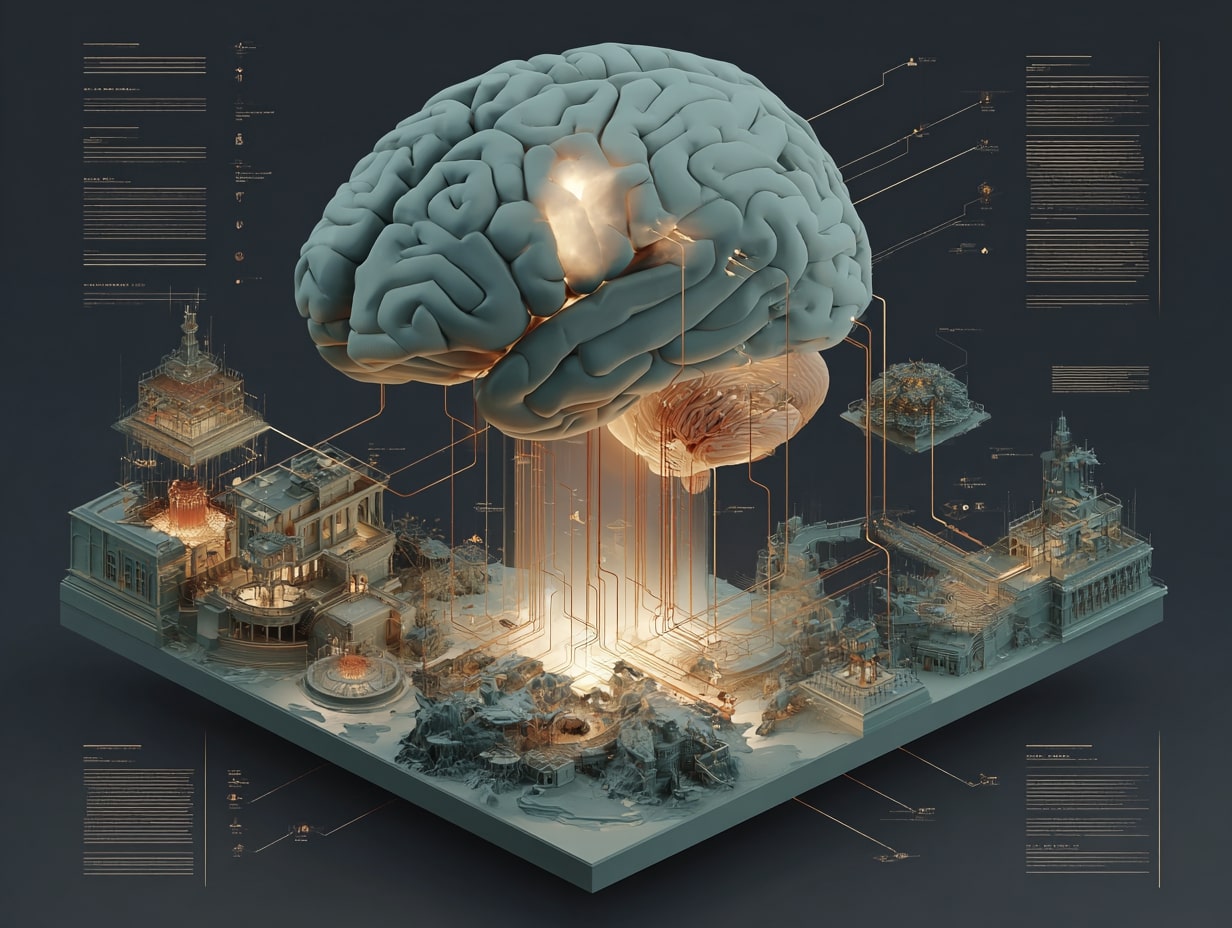
The source distinguishes three levels: original materials, separate records, and summary views. This division may seem austere, but it solves a crucial point: a good summary must never erase its origin. Interviews, for example, remain stored unmodified; extracted notes are isolated in dedicated records; thematic reviews then aggregate conclusions without mixing levels of evidence.
Within this framework, AI can work as a tool-equipped agent, with programs that know how to read, write, find a note, check a rule, or update a summary. The examples cited mention Codex and Claude Code as agents capable of handling files. This remains a working architecture, not a fixed product: content can be adapted according to version, permissions, and installed tools.
Use cases designed for research, product, and monitoring
LLM Wiki 2.0 mainly targets contexts where a team frequently revisits the same material: market studies, customer analysis, supplier comparisons, technical research, or internal knowledge capitalization. The source emphasizes one specific point: the base becomes useful when data changes, assumptions sometimes contradict each other, and it must be possible to review reasoning without starting from scratch. The system can thus help answer a question like “why did we decide that?” by tracing the verdict back to exact sources.
The core of the system also relies on RAG, acronym for retrieval-augmented generation, a method where the model uses a search engine on documents before answering. Here, this logic serves both to query the archive and to produce reviews linked to themes. The base does not replace a classic database but adds a layer of interpretation and traceability that payment, order, or stock tables do not spontaneously provide.
The real cost of an “intelligent” base
The text nevertheless reminds that such an organization requires discipline. You must decide what deserves a separate record, what must be verified, and how to revisit old summaries when new information arrives. For a one-off task, this work may seem excessive. For a team following a subject for weeks, it quickly becomes the difference between a useful memory and a well-organized note graveyard.
Another, more classic limitation: AI can still misunderstand a document or produce a wrong conclusion. Sources, links, and history reduce the risk but do not guarantee accuracy. The system thus emphasizes human verification, with an interface designed to read, compare, correct, and validate. In practice, the promise is not to eliminate doubt; it is rather to make it visible before it turns into office truth.
Key points
- Andrej Karpathy links LLM Wiki 2.0 to Product OS.
- The base keeps sources, assumptions, and revisions together.
- RAG helps AI search documents.
- Original materials remain accessible without modification.
- Reviews can be updated according to new data.
- The system mainly serves topics followed over time.
By the numbers
- 3 layers — materials, separate records, summary views.
- 4 operations — add, query, revise, audit the base.
- 2 example agents — Codex and Claude Code cited in the source.
- 1 RAG logic — document search before response generation.