
Gorash: a game made with AI in one month
One month of creation, over 1,250 recorded decisions, and a game available on Android. A look back at the design of Gorash at fluidifia: gameplay, screenshots, Godot, code agents, Ludo.ai, Meshy, ElevenLabs, Suno, and working method.
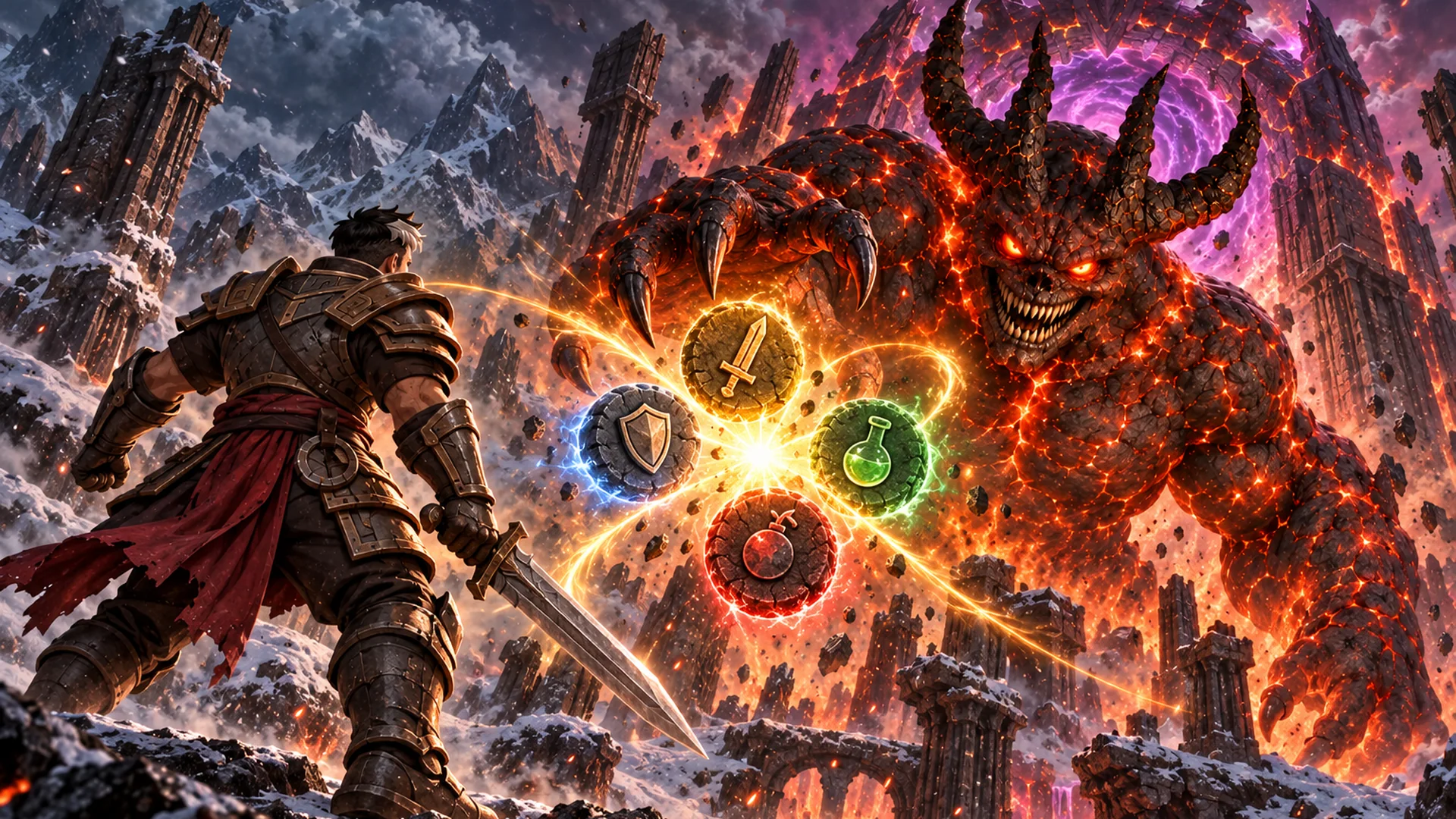
One month to bring a complete game to life with artificial intelligence. This is the challenge behind Gorash, our merge and roguelite progression game, now available on Android. From code to images, 3D models to sound effects and music, AI served as a production tool at every stage. Morgan Vincent, founder of fluidifia, handled the design, management, and testing.
The game is played one-handed, in portrait mode, on a phone. You drop pieces into a basin to merge them, trigger your hero’s actions, and progress through four acts until the demon Gorash. This dossier presents what was built and the method followed to go from initial ideas to a downloadable game.
Play Gorash
The game is available for free on Google Play, without ads, with optional in-app purchases. iOS and Steam versions are coming soon.
A merge game where each combination triggers the hero’s action
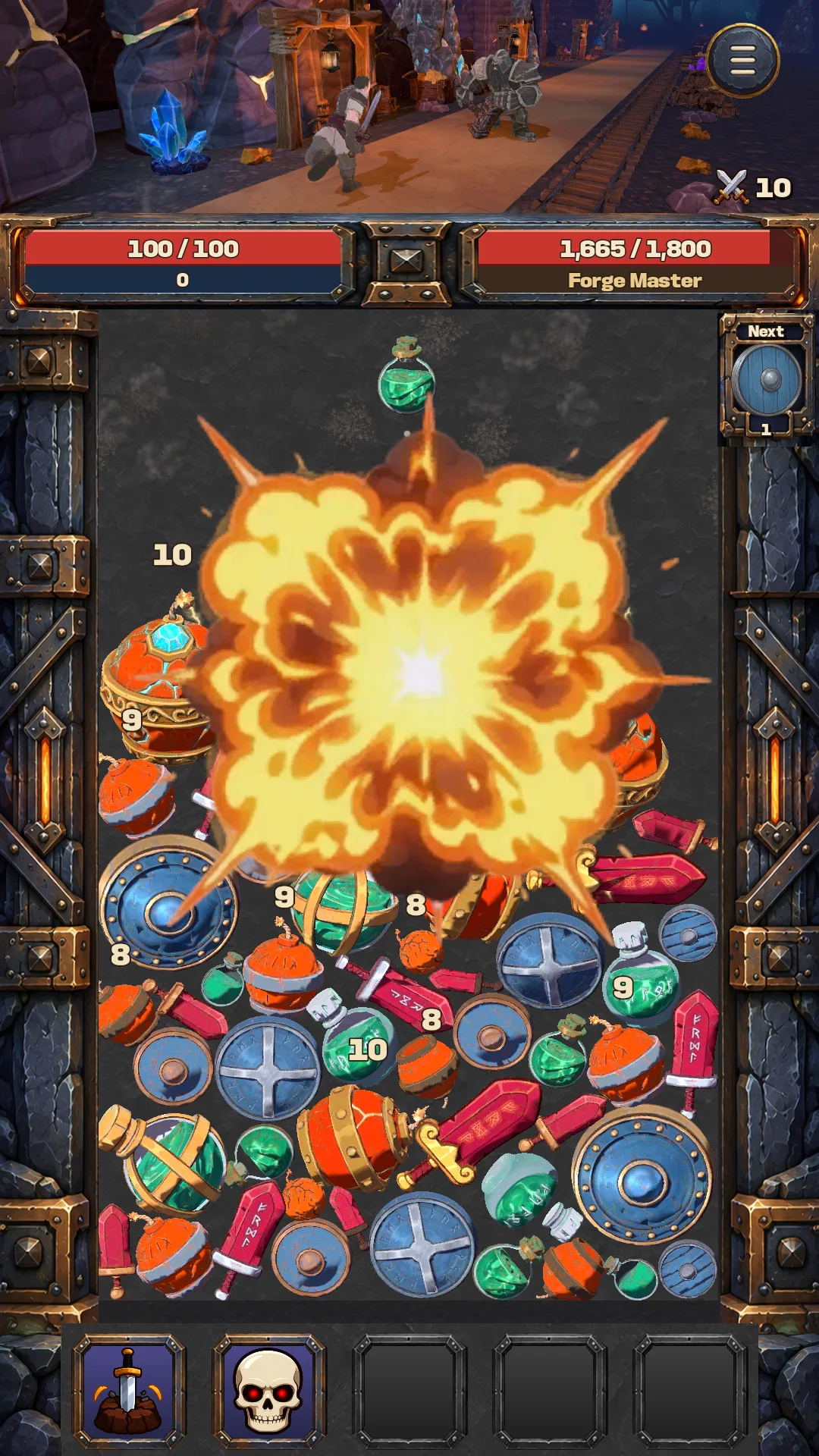
The initial move is simple: a piece falls into the basin. Two identical pieces touch and merge into a more powerful piece. Physics makes these objects roll, bounce, and stack. Each merge immediately triggers a character action: attack, defend, heal, or cause an explosion.
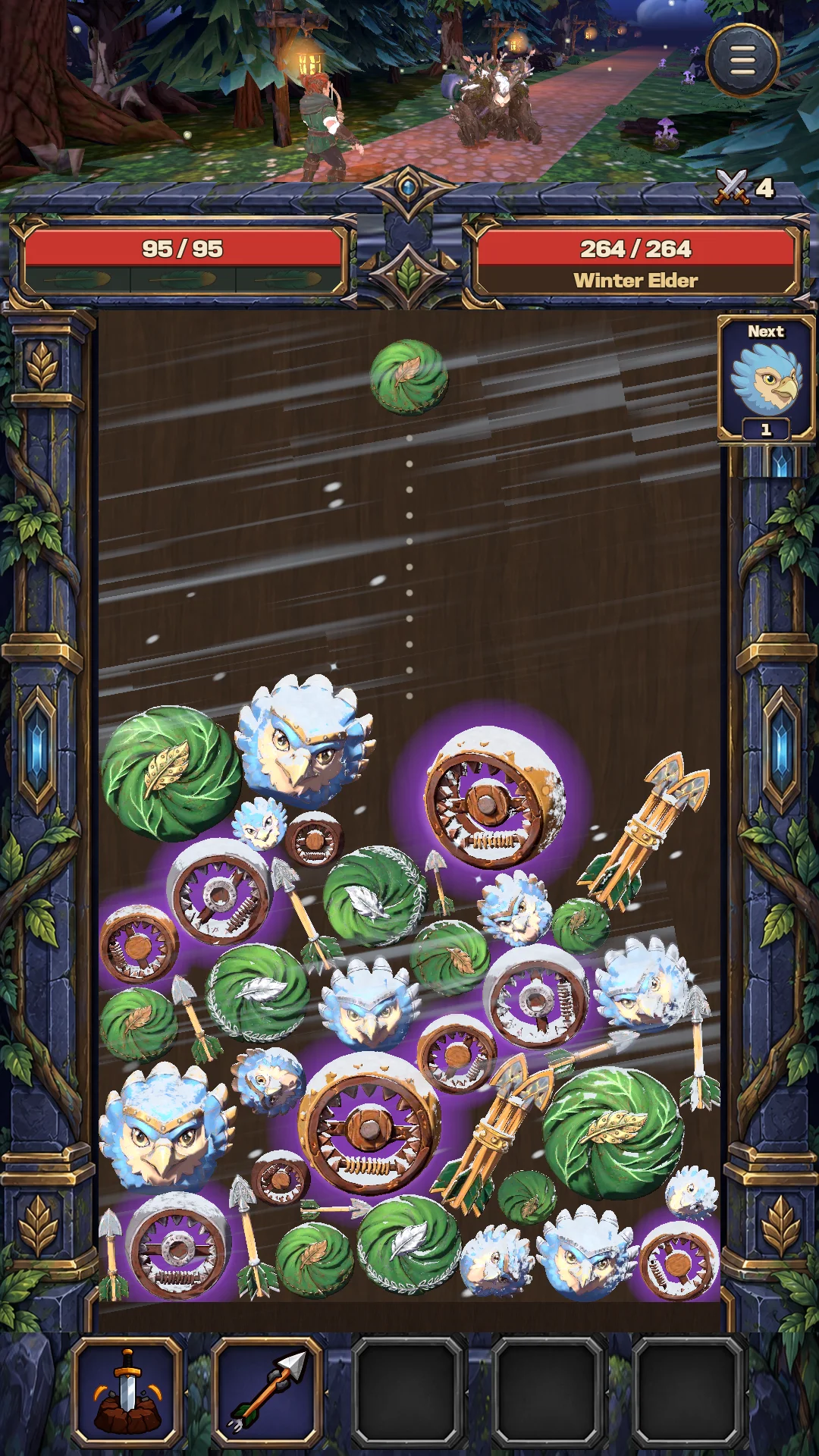
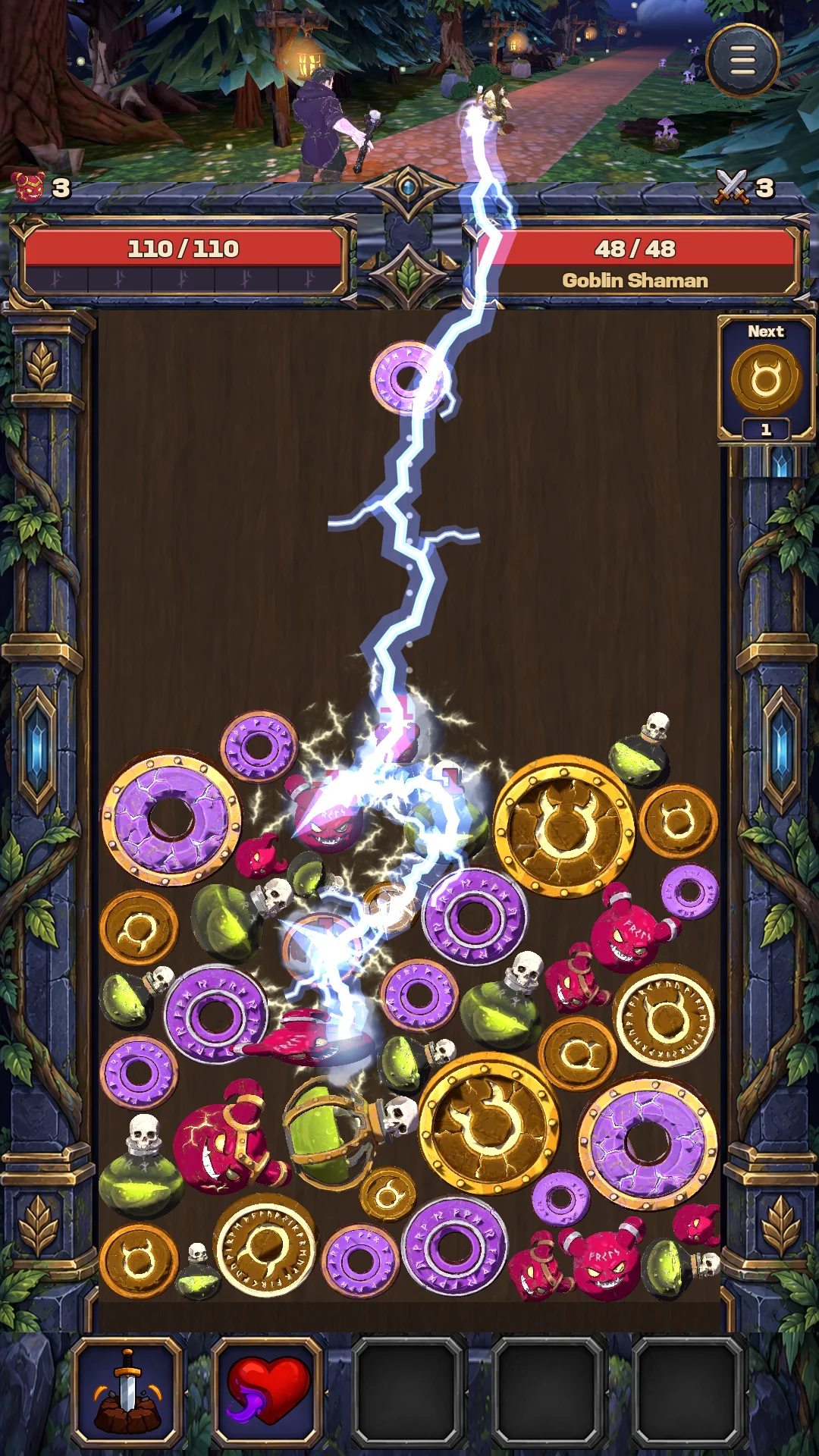
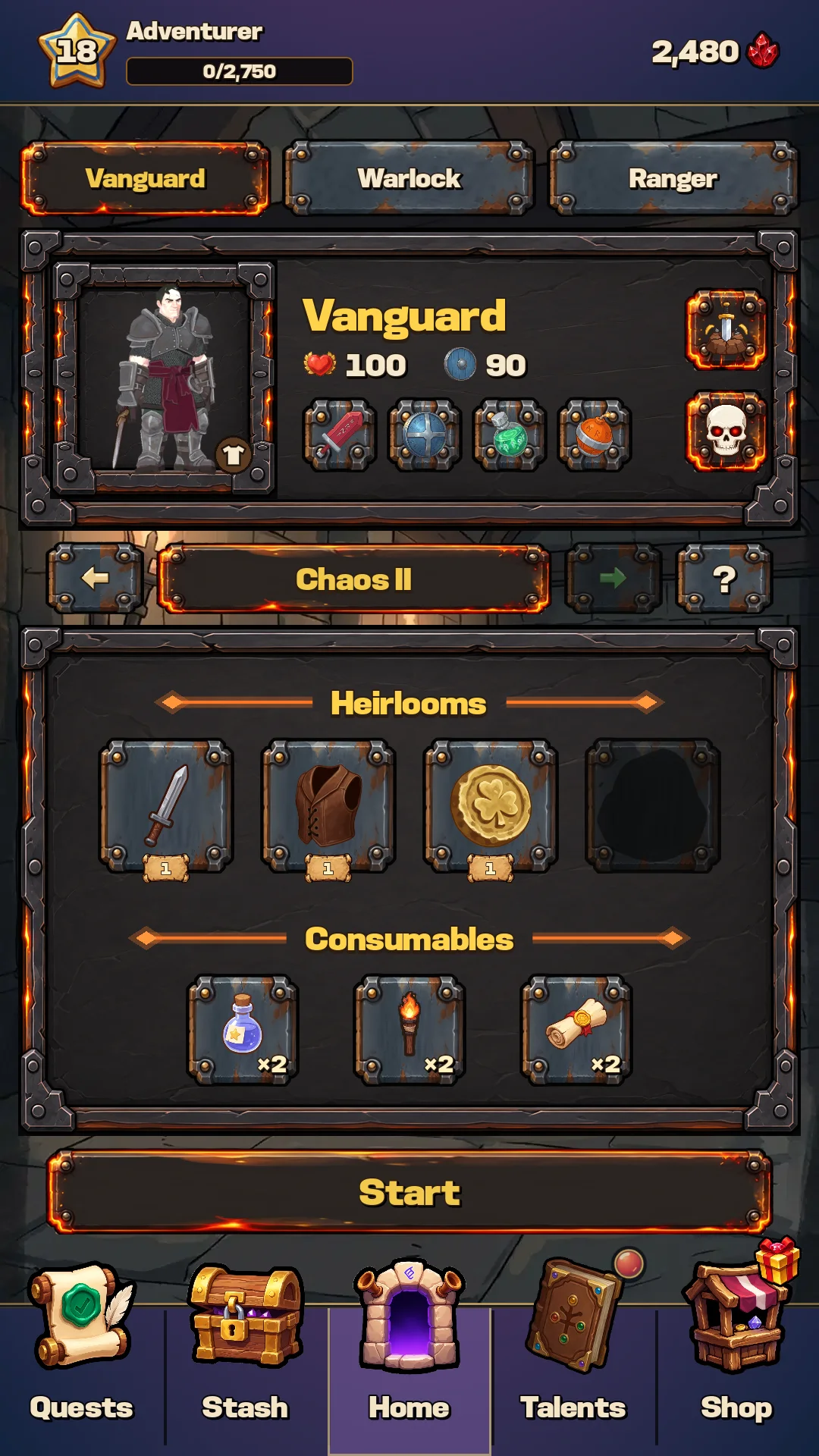
The Vanguard’s pieces illustrate the main functions: swords strike the enemy, shields strengthen defense, potions restore health points, and bombs deal damage while shaking the basin. Other heroes have their own pieces and effects: runes and summons for the Warlock, traps and falcon for the Ranger. Pieces evolve through five tiers. Merging two fifth-tier pieces triggers an Ultimate; simply reaching this tier is not enough.
Combat also takes place in the available space. You must anticipate the next piece, prepare merges, and decide when to free up space. A combo can regain control of a situation. A poorly organized stack leaves less room to react to attacks.
Enemies that target the basin
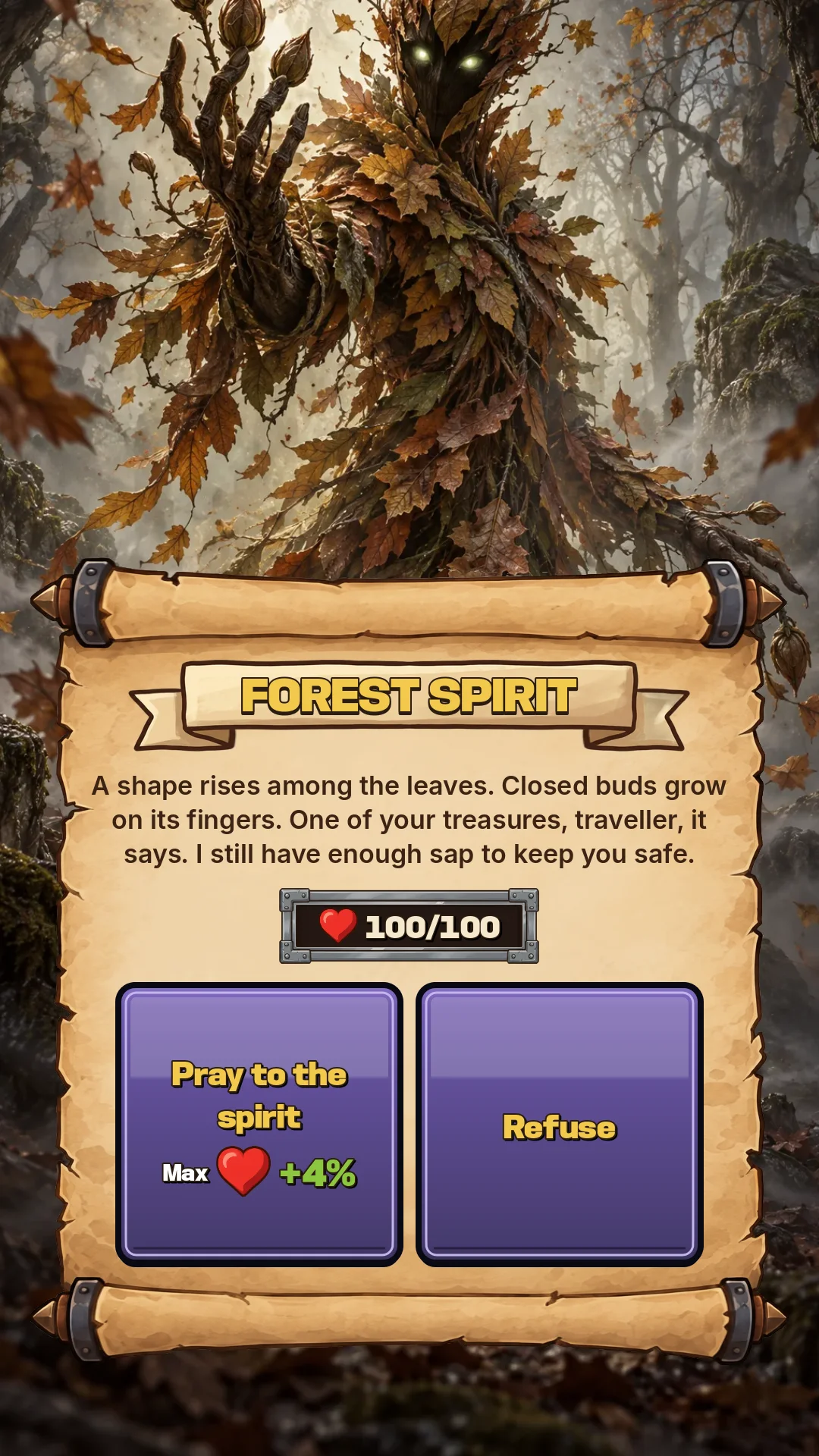
Opponents have concrete ways to hinder the player. Thorns immobilize pieces at the bottom of the basin; a neighboring merge cuts them. A gust moves the stack. Fog hides the next piece, a bony hand can steal it, and ashes cover objects. Further on, landslides, frost, and curses complicate decisions even more.
These effects give identity to the fights. Understanding a monster’s attack, keeping a bomb available, or preparing a merge near a blocked zone becomes as useful as immediately seeking the biggest damage.
The combat wheel adds another variation before the fight: bouncing mushrooms, bars, minecarts, lava geysers, or portals can modify the basin; some effects also provide help. The version presented on Google Play offers 48 basin events, 12 per act.
Four acts to bring back spring
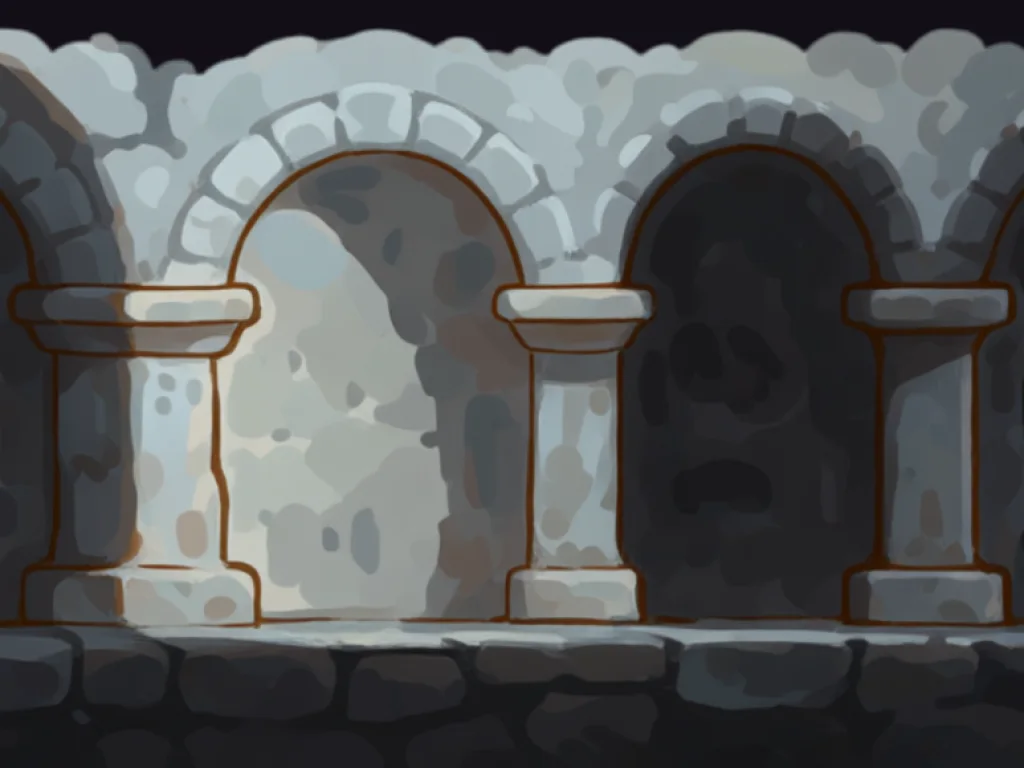
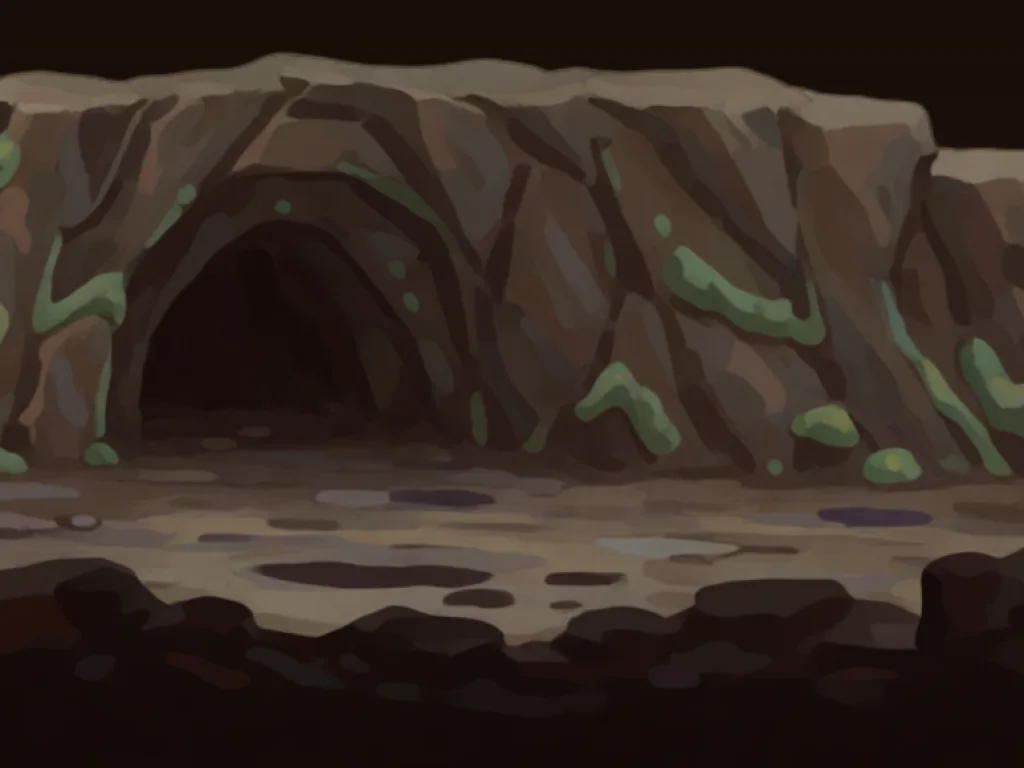
Gorash has taken the king and winter persists. The adventure crosses the Forest, the Ash Crypt, the Dwarf Mines, and Hell, up to the Gate beneath the mountain. Each act has its environment and boss: the Winter Ancient, the Ash Guardian, the Master-forge, then Gorash himself.

Thorns, gusts, and early build constructions.
Ashes, bony hands, and new placement constraints.
Landslides and earthquakes in the forge galleries.
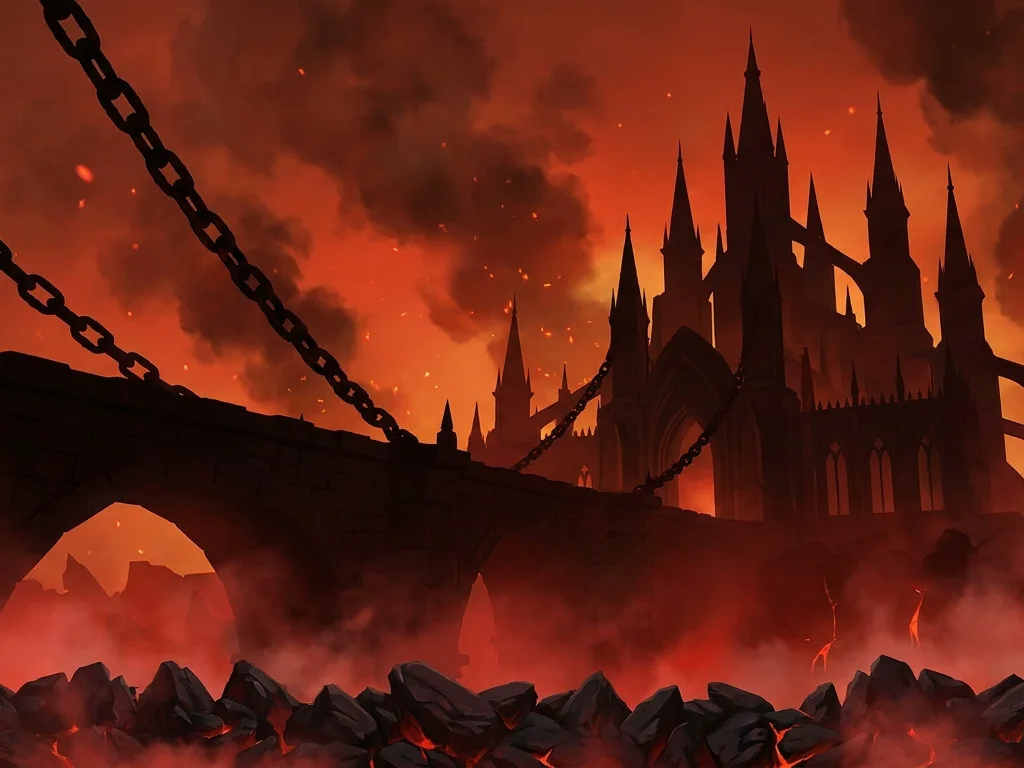
The last obstacles before the demon Gorash.
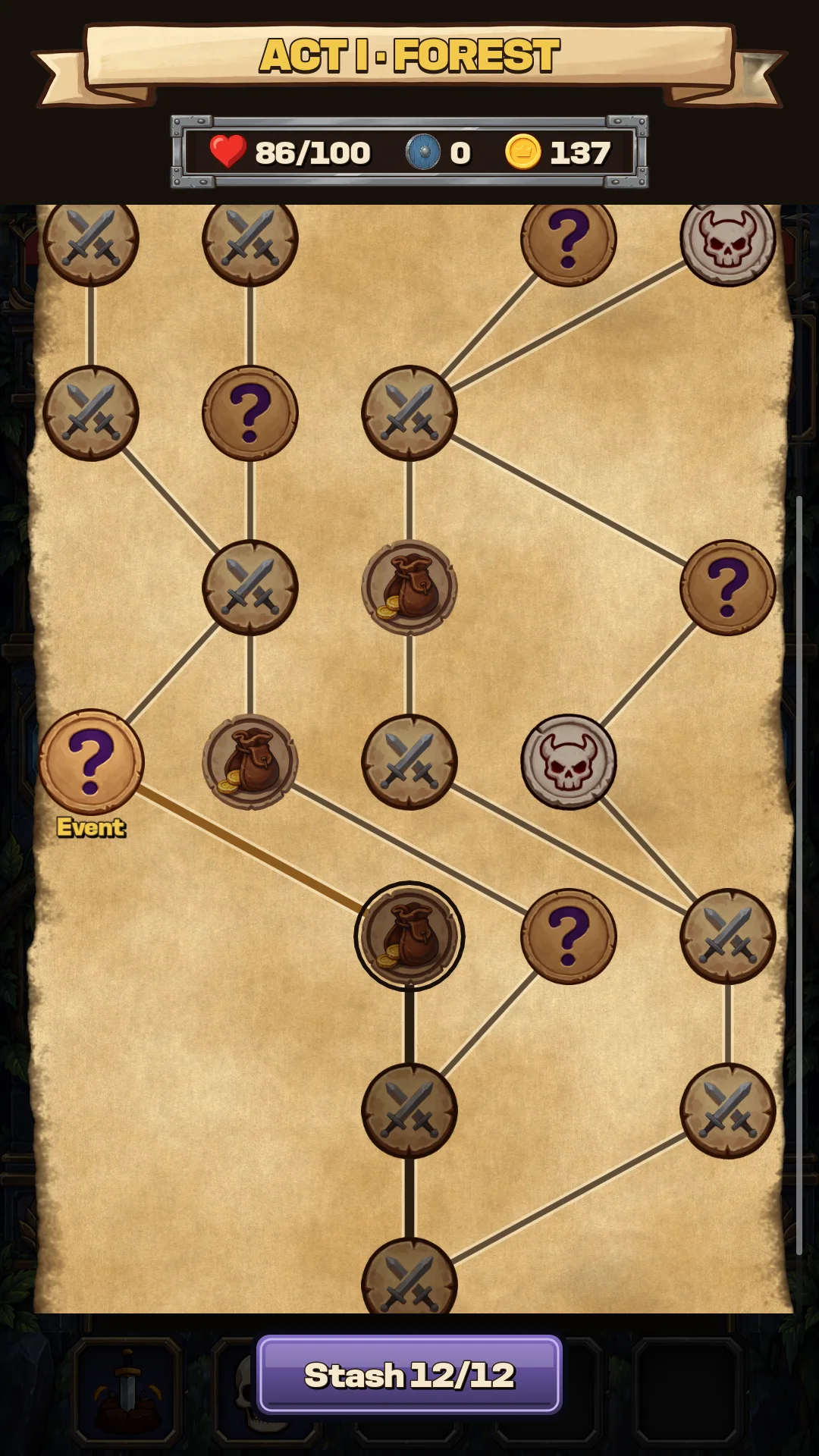
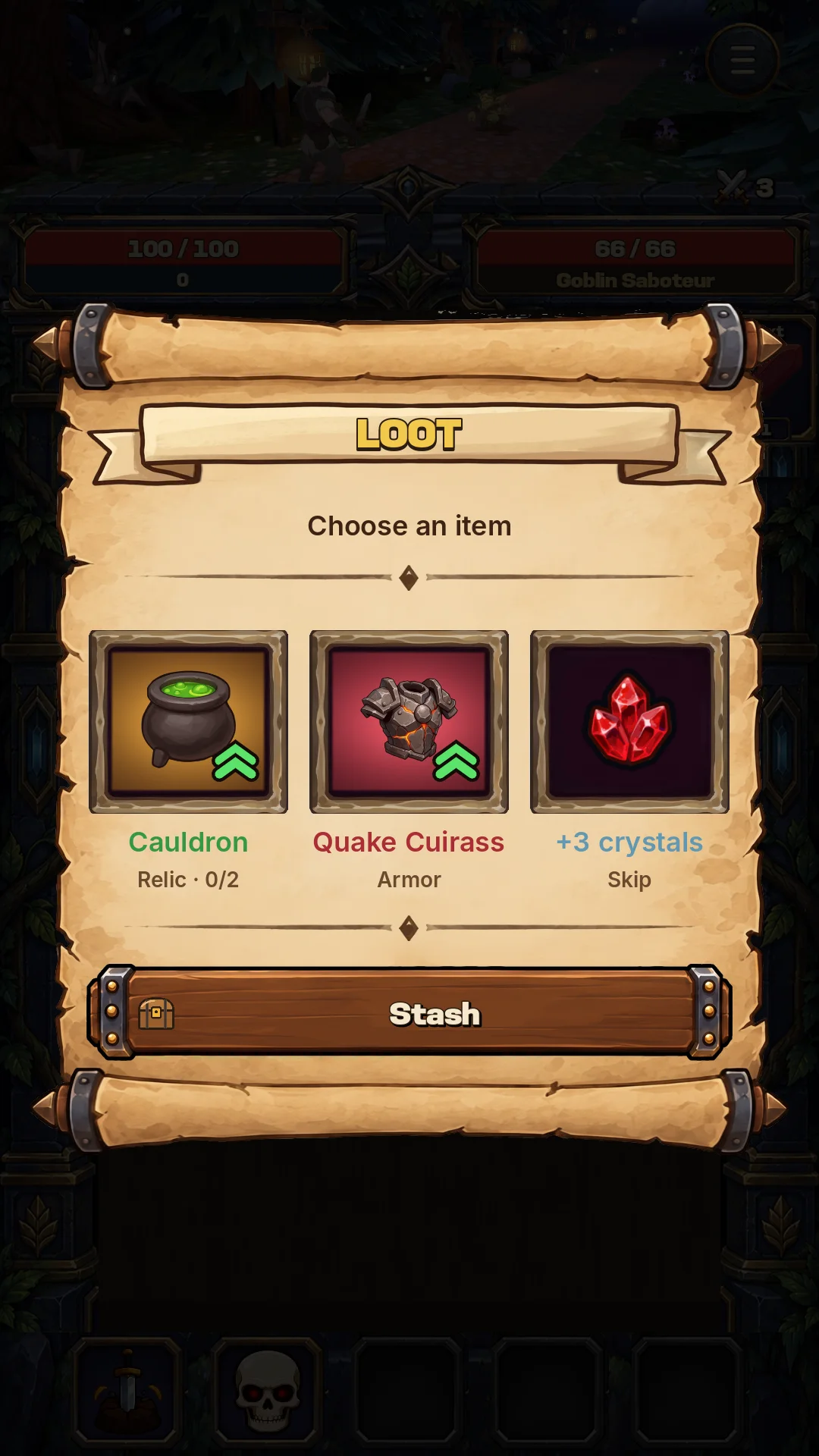
The map is organized in branches. Choosing a path means balancing fights, elites, events, shops, campfires, and treasures. Encounters and loot then influence equipment and talents. A new game thus offers the chance to seek another combination.
Three classes and choices that last between games
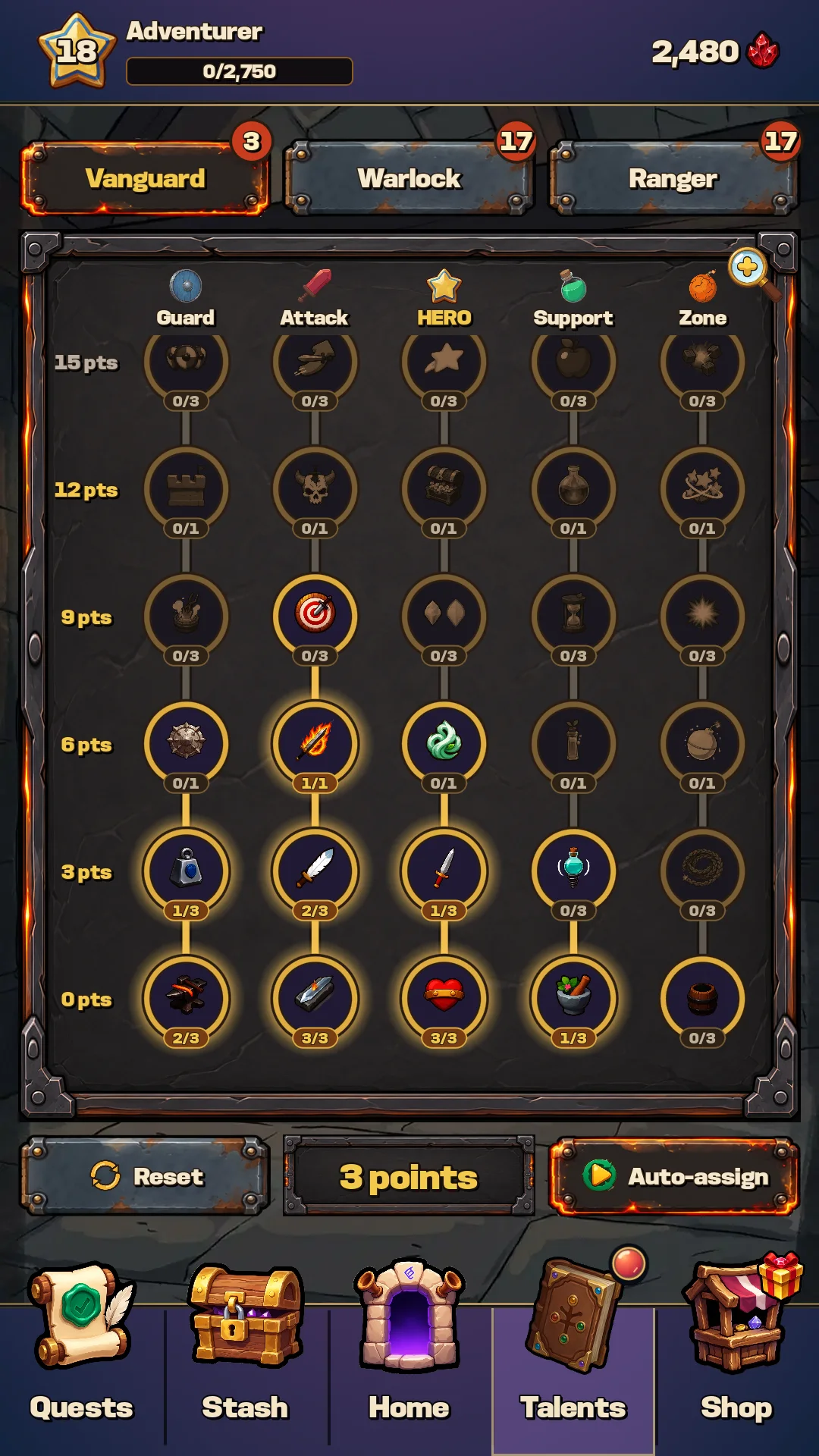
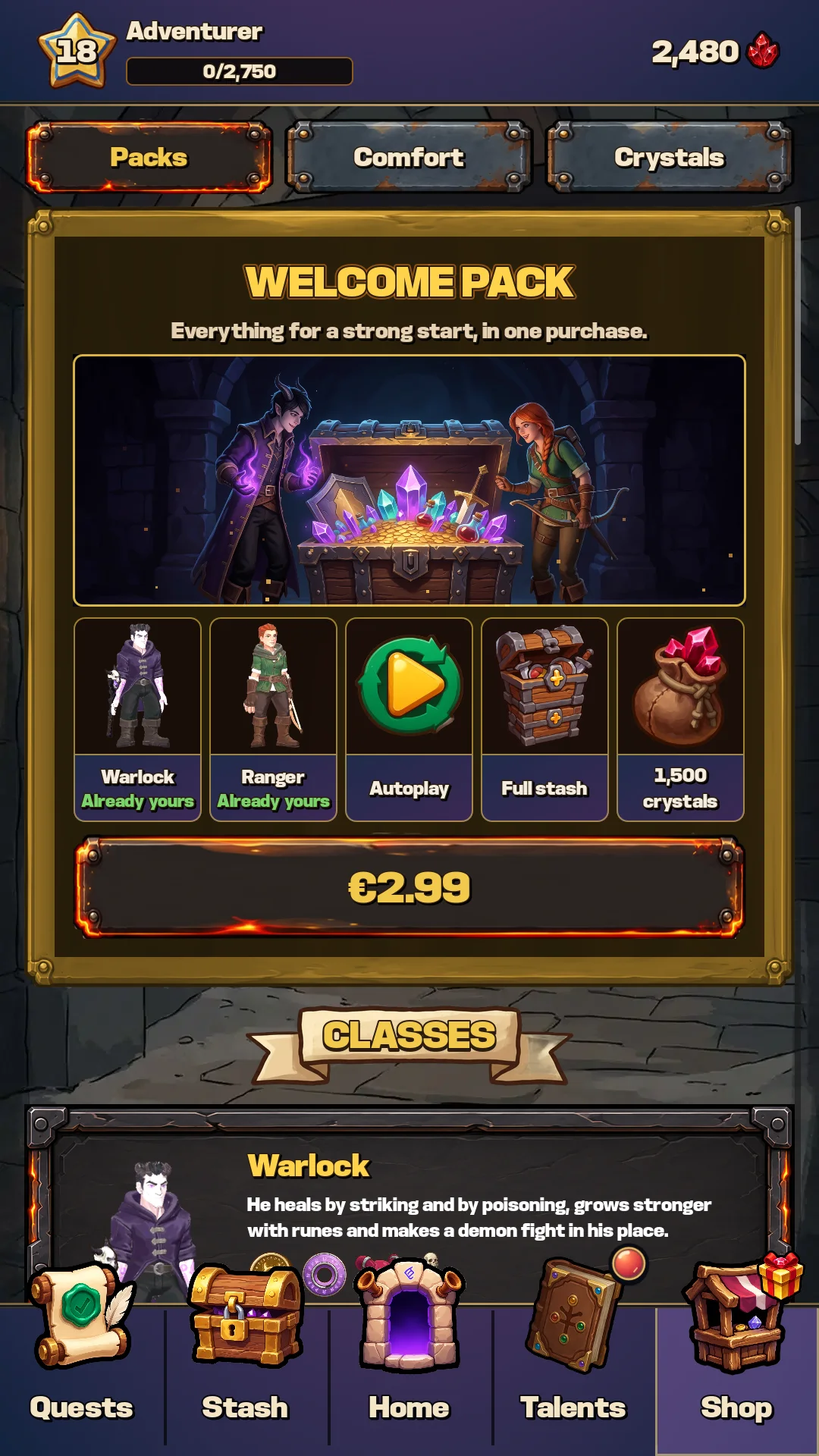
Vanguard, Warlock, and Ranger make up the three classes in the game. One starting class is accessible; the other two are offered as optional purchases. Talents and items allow evolving your playstyle, with set equipment and unique items among the 136 items listed on the game page.
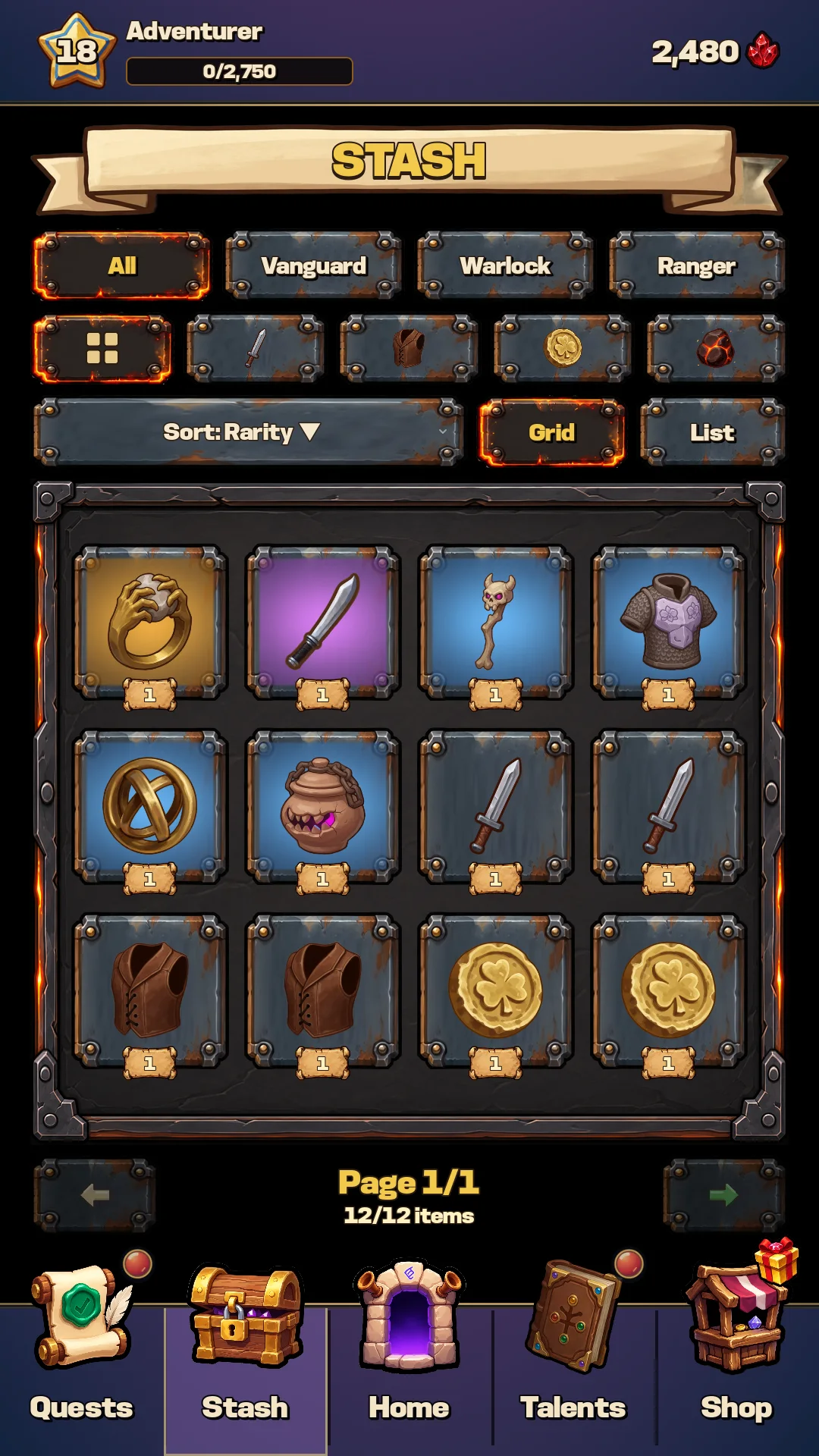
The chest lets you keep your best finds to reuse as inheritance. The profile gains experience through adventures and unlocks new armors for the hero. Completing the story unlocks Chaos difficulties I to V, with tougher enemies and constraints. The 16 achievements also provide goals and crystal rewards.
4acts
32enemies, including 4 bosses
3classes
136items
16achievements
14languages
Gorash is designed to be played offline, in portrait mode and one-handed. Some features, like purchases, reviews, online achievements, or profile synchronization, may require a connection and platform service availability. The game is ad-free and without tracking tools added by fluidifia; details on platform services are in the Android privacy policy.
One month of production with AI: how the work was organized
The project started from a very concrete desire: to rediscover the pleasure of merge games shown in mobile ads, and combine it with the roguelite progression appreciated by Morgan. The experience took shape around this game loop, then was enriched by trials and ideas from his son. This family origin is also told in the Gorash profile published by Ludo.ai.
The month of creation corresponds to a concentrated production period: defining rules, obtaining a playable loop, building content and interfaces, then fitting everything on a phone. Corrections, enrichments, and publishing work on stores then extend this first cycle.
The “100% AI” described here is the production method for code and creative content. Agents write code; generators produce images, 3D model bases, sound effects, and music. Morgan specifies intentions, chooses proposals, requests corrections, and tests the result. This direction gives a common meaning to productions from different tools.
Start from a game loop you can actually try
For such a short project, the first useful work unit is a playable action. Dropping a piece, seeing it merge, observing the effect on the character, and understanding the enemy’s response: these links must work together. Progression systems can then build on a base already known to be manageable.
Requests to agents then benefit from being observable. “The player must understand what just merged” leads to working on visual feedback, sound, and interface. “This attack blocks the game too long” calls for adjustment and a new test. Feedback from a game becomes a precise production instruction.
Assemble systems, then fix annoying details
Talents, items, enemies, map, and preparation screens all affect the same experience. Each addition must connect to what already exists: its display, saving, translation, and effects on a current game. A generated proposal becomes useful when integrated and verified in this context.
The method is thus to proceed by bounded requests, review results, and keep decisions made. An overloaded screen, a too subtle animation, or a badly placed button lead to a new iteration. The phone remains the main test ground to judge sizes, gestures, and readability.
Tools used, from game engine to music
The workflow communicated for this month of work combines a game engine, an assisted development environment, several creative tools, and skills made to link these operations.
| Usage | Tools used |
|---|---|
| Engine and 3D | Godot 4.7.2 and Blender: the game engine and work on 3D content. |
| Assisted development | VS Code with Claude Max x20, Opus 5.5, and Sonnet sub-agents; GPT 6.1 Sol is also among the tools used. |
| Visual assets | Ludo.ai and Meshy for asset production and conversion to 3D content. |
| Sound effects | ElevenLabs and Opus 5.5 in the SFX production chain. |
| Music | Suno for music generation. |
| Orchestration | Custom skills, including fluidplan, to make requests, choices, and operations easier to chain. |
| Browser tasks | The Claude browser extension follows instructions prepared by Claude CLI in a Markdown file. |
| Project memory | Over 1,250 recorded decisions and instructions, notably as prompts, to track choices and adjustments. |
Images must belong to the same universe
A game requires many images that the player will see side by side: pieces, items, talents, buttons, backgrounds, and effects. Their function must be recognizable, their states distinguishable, and readable on a small screen. The coherence of a family matters as much as the success of an isolated image.
In its project profile, Ludo.ai describes using reference images by asset family, then preparation work for their integration. The same principle applies to interface frames: a texture cut into nine zones can serve several panel sizes while keeping sharp corners. This process helps unify generations into a coherent interface.
Visual concepts and 3D are also distinct steps. An intention can first be explored in an image, then serve as a base for a model. Blender and Godot then allow working on its use in the scene and rendering during a game.
Sound accompanies repeated actions
A merge, impact, explosion, or reward often recurs in a game. Effects must help recognize these actions without saturating listening. Music contributes to the ambiance of environments and the feeling of progression. Generation tools provide proposals; their placement and dosage are appreciated in the game.
Skills, agents, and over 1,250 recorded decisions
Continuity is one of the challenges when working with multiple agents. A decision on rules or appearance must remain available when another task starts. The project thus relies on a written memory: requests, choices, adjustments, and instructions. The over 1,250 recorded decisions give an idea of the number of iterations behind this month of production.
This trace helps resume a subject without re-explaining the whole game. It also allows recalling a constraint, understanding why a proposal was discarded, and requesting a modification that respects previous choices. The more systems the project has, the more useful this memory becomes.
Make choices visible with fluidplan
fluidplan, one of the skills created by Morgan, transforms an option plan into a local web page. Proposals can be explained and illustrated; the user chooses, comments, and sends decisions back to the agent. Work can then resume on a validated basis.
This type of tool helps discuss a screen or feature before producing all variants. It also provides concrete support to compare directions, specify what must be kept, and avoid decisions getting lost in a long conversation.
Switch between environments with a written instruction
Part of the work takes place in the editor and another in the browser. For these web tasks, Claude CLI prepares Markdown instructions that the Claude extension executes in the browser. The instruction becomes a handoff point between two work environments.
The same concern for continuity guides custom skills: formalize a repeated operation, specify the expected result, and facilitate its resumption. The effort focuses as much on chain organization as on the generations themselves.
What this experience teaches us about creation with AI
Gorash provides a concrete case to examine: a game with a playable loop, classes, levels, content, an interface, and a distributed version. One can observe design choices and their consequences by playing. AI enabled one person to produce in several roles at once, with coordination and regular validations.
Three practices stand out from this experience.
- Define an observable result. A precise action, screen, or behavior provides a solid base to request a realization and then verify it.
- Keep decisions. Project memory helps agents respect a common direction and resume a task several days later.
- Test assemblies. Code, images, sounds, and rules must be judged together, on the device and in situations where the player encounters them.
These practices go beyond video games. They also concern a business prototype, an internal tool, or an application: describe the need, distribute work, keep track of choices, and confront the result with its use. This is the practical application of AI that we share at fluidifia.
Availability, purchases, and upcoming platforms
Gorash is available on Google Play. The game is free with optional in-app purchases, including crystals, additional classes, an auto mode, and a welcome pack. Purchases are deterministic: no purchase in money or crystals is random. Random loot is obtained by playing.
iOS and Steam versions are coming soon. The dedicated page gathers availability information, screenshots, roadmap, credits, and support. It remains the reference point to follow the game after this dossier.
Your turn to try
A first game lets you see how merges, physics, and progression combine. The screenshots in this dossier can also be opened full size to examine the screens.
To continue: the Gorash profile by Ludo.ai, dedicated to asset production and project organization. Tools and workflow presented in this dossier: feedback from Morgan Vincent. Game information and screenshots: official Gorash page on fluidifia.

